
Photoshop is everywhere. From magazine covers to Instagram filters, it’s the go-to tool for editing images. But once upon a time, you could buy Photoshop in a box and keep it forever. That changed when Adobe switched to a subscription model.
TL;DR
Adobe Photoshop switched to a subscription service in 2013, replacing the one-time purchase model. The change was part of Adobe’s new “Creative Cloud” platform. This move turned Photoshop into a SaaS product — Software as a Service. Love it or hate it, this model changed how we access creative tools forever.
What Is SaaS Anyways?
SaaS stands for Software as a Service. Instead of buying software once, you pay a fee to use it over time. Think of it like Netflix but for apps. You stream, you don’t own.
With SaaS:
- You get the latest updates automatically
- You don’t install from a disc (remember those?)
- You often pay monthly or yearly
Adobe wasn’t the first to do SaaS, but they made big waves when they joined in.
The Early Days of Photoshop
Let’s rewind. Photoshop 1.0 came out in 1990. It was slow, clunky by today’s standards, but revolutionary. You paid once and had it for life—unless you wanted to upgrade later.
New versions came out every few years:
- Photoshop 5 in 1998 added editable text.
- Photoshop CS (Creative Suite) launched in 2003, bundling it with other Adobe apps.
- Photoshop CS6 was the last version you could buy forever. That was in 2012.
Back then, owning Photoshop cost hundreds of dollars upfront. It wasn’t cheap, especially for casual users or students.
The Big Switch: Welcome Creative Cloud
In 2013, Adobe made a bold decision. It retired the old Creative Suite and announced Creative Cloud (CC). Photoshop became a subscription-only product.
No more disks. No more permanent licenses. From then on, if you wanted Photoshop, you had to pay monthly.
Why Did Adobe Do This?
The reasons were simple on paper:
- Faster updates for users
- Steady income for Adobe
- Less piracy (pirated versions were a big issue back then)
Some people were thrilled. They no longer had to drop $700+ just to get access to the full software. Others were furious. They felt trapped in an endless subscription.
What Is Creative Cloud?
Creative Cloud isn’t just Photoshop. It’s a full suite of Adobe products:
- Illustrator (for vector art)
- Premiere Pro (for video editing)
- After Effects (for motion graphics)
- Lightroom (for photographers)
- And many more…
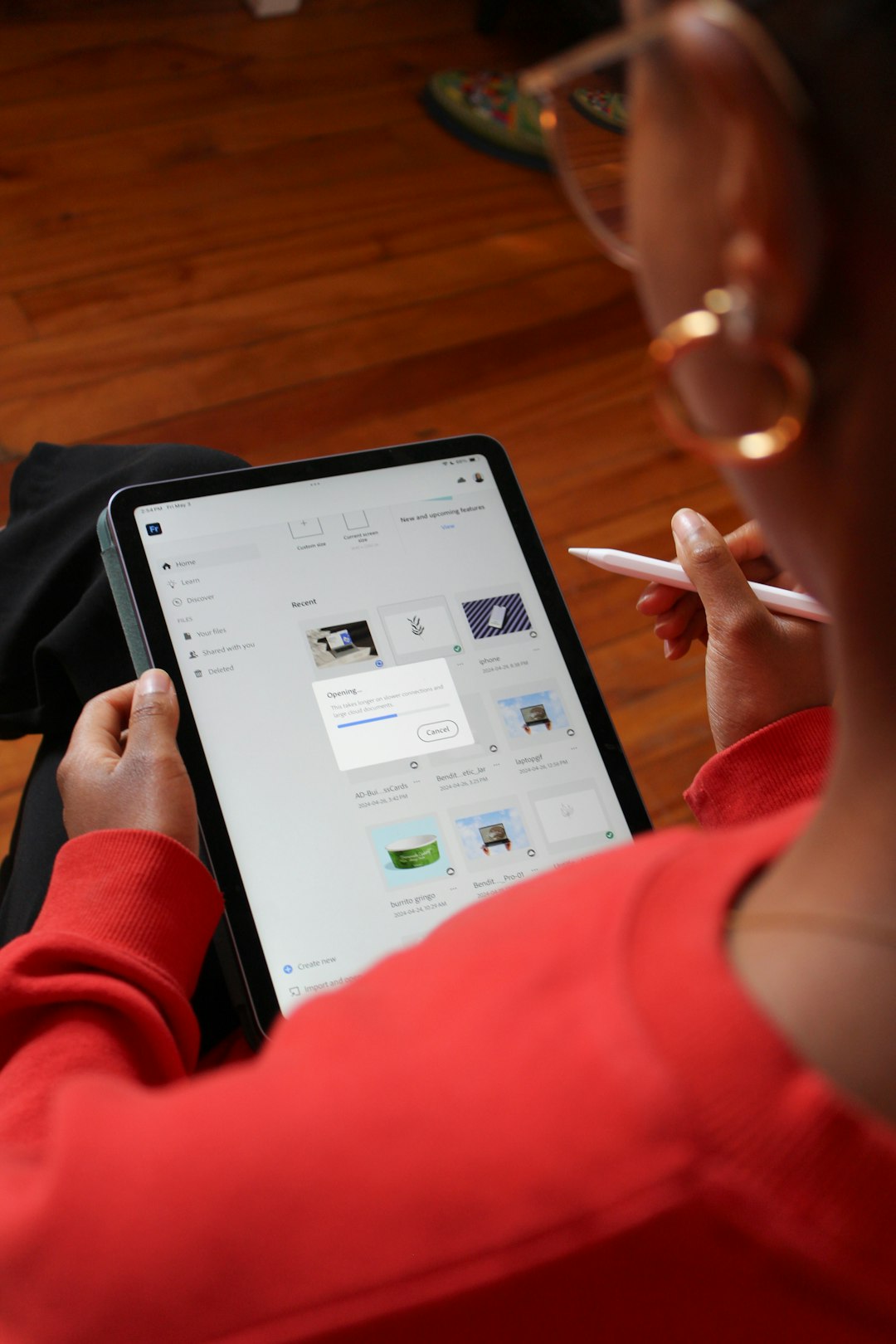
Today, Creative Cloud users get automatic updates, cloud storage, and the ability to sync files between devices.
You can still subscribe to just Photoshop, or pay more for the full suite.
Pricing: Then vs. Now
Back in the boxed era, Photoshop cost around $699 for a full license. Upgrades were cheaper but still pricey.
Now, you can subscribe to Photoshop for around $20.99/month (as of 2024), or $54.99/month for all Creative Cloud apps.
Over years, the subscription adds up. However, Adobe argues that the continual improvements and support make it worth it.
What Users Think
The response to Adobe’s SaaS shift is a mixed bag.
People who love it say:
- They always have the latest features
- It spreads costs over time
- Cloud sync makes life easier
People who hate it say:
- They miss owning software
- They don’t want to be locked into a monthly bill
- It gets expensive over time
The shift also gave rise to competitors like Affinity Photo, which sells their app with a one-time payment model. Many users like that option.
The Bigger Picture: Software Industry Trends
Photoshop wasn’t alone in the SaaS trend. Other big companies followed:
- Microsoft moved Office into Office 365 (now Microsoft 365)
- AutoDesk switched AutoCAD to subscription
- Spotify, Netflix, even video games now use subscriptions
SaaS is now everywhere. For better or worse, it’s how most software works today.
Was It a Good Move?
From a business perspective — yes. Adobe’s revenue soared after the switch. They gained more consistent income and reduced piracy.
From a customer perspective — it depends. Professionals tend to benefit from the added tools and updates. Casual users might prefer cheaper or pay-once options.
What Now? And What’s Next?
Since 2013, Creative Cloud has grown constantly. Adobe now adds AI tools like Generative Fill and neural filters. These wouldn’t be possible without constant updates.
In the future, expect even more AI features and integrated cloud workflows. Adobe is also investing in mobile and browser-based tools.
Still, some users continue to wish for a one-time purchase. Adobe hasn’t shown signs of reversing their SaaS strategy anytime soon.
Fun Fact!
The “Photoshop” name is so popular, people use it as a verb. “That image looks Photoshopped!” That kind of brand power is rare. Adobe’s subscription model didn’t change that.
Wrapping It Up
Photoshop became a subscription service in 2013 with the launch of Adobe Creative Cloud. It was part of a growing trend toward SaaS — Software as a Service.
It sparked debates. It created opportunities. And it set the tone for how we use software today.
Whether you love the model or not, one thing’s certain: Photoshop continues to shape the visual world — one subscription at a time.