
ORBCOMM is the strongest fit when a fleet needs asset visibility beyond standard trucks, especially trailers, reefers, containers, and mixed equipment. Samsara is usually better for teams that want a polished driver app, AI dash cams, and fast rollout. Geotab is the safer choice for fleets that need deep vehicle data, reporting, and a large partner ecosystem. ORBCOMM positions itself around both cellular and satellite IoT for transportation, maritime, and heavy equipment operations [source: ORBCOMM].
TLDR: Pick ORBCOMM if your fleet includes trailers, refrigerated units, containers, or equipment that must be tracked even when it is not attached to a tractor. For example, a 500-trailer fleet could use ORBCOMM to reduce “lost asset” searches by tracking dwell time, door events, and reefer status in one system. Pick Samsara if you care most about driver safety, live video, and simple mobile workflows. Pick Geotab if your team needs detailed fleet analytics, engine data, and flexible integrations.
What ORBCOMM Does Best
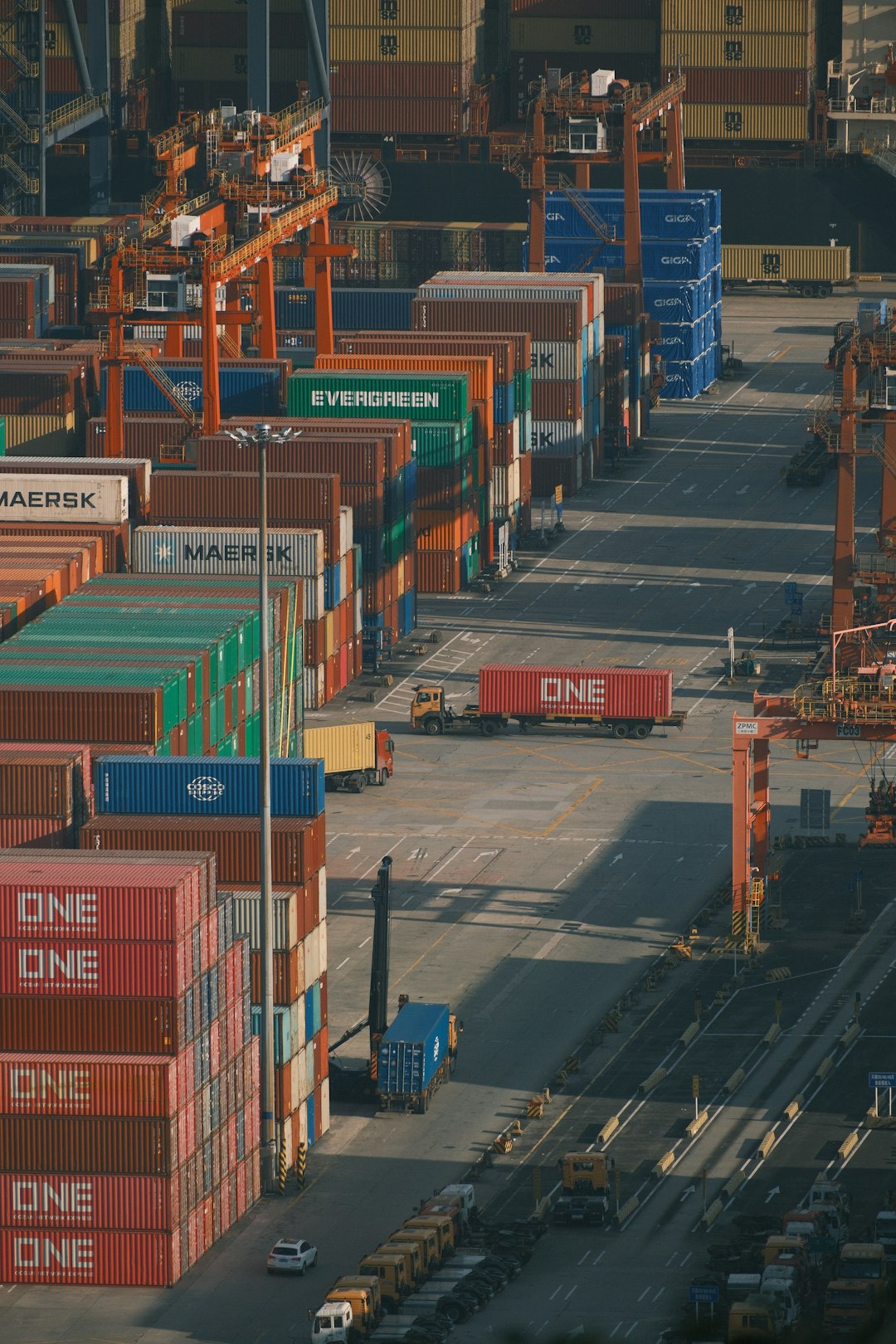
ORBCOMM is not just a truck telematics platform. Its main strength is connected asset tracking. That includes dry trailers, refrigerated trailers, shipping containers, chassis, generators, and other equipment that may sit in yards for days.
This matters because many fleets do not lose money only while trucks are moving. They lose it when trailers sit idle, reefers fail, cargo is delayed, or assets cannot be found. ORBCOMM is built for those messy problems.
- Trailer tracking: location, utilization, yard status, and unauthorized movement.
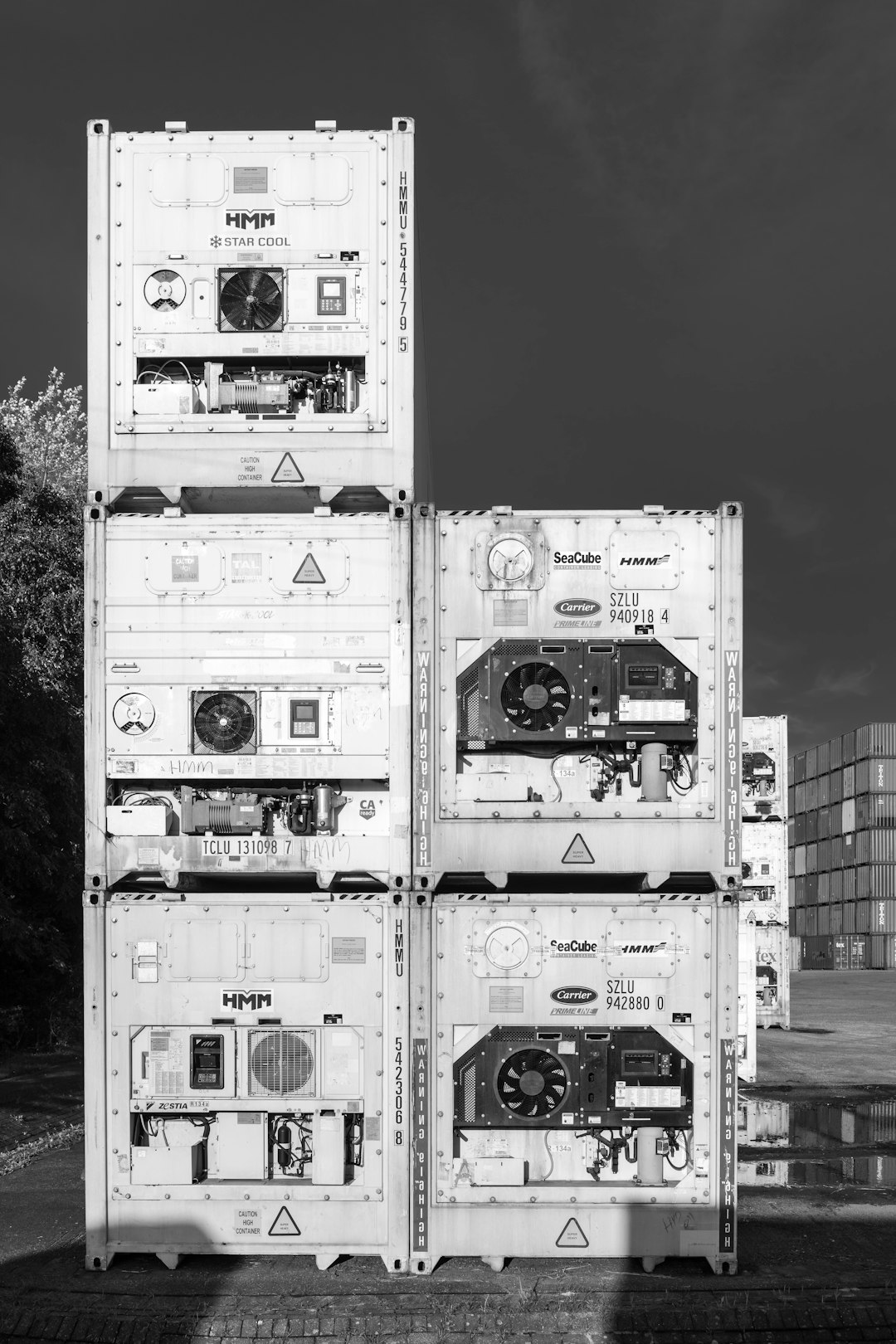
- Reefer monitoring: temperature, fuel, alarms, door openings, and set point changes.
- Container visibility: location and status across long routes and remote areas.
- Satellite connectivity: useful for routes where cellular service is weak or absent.
ORBCOMM vs Samsara
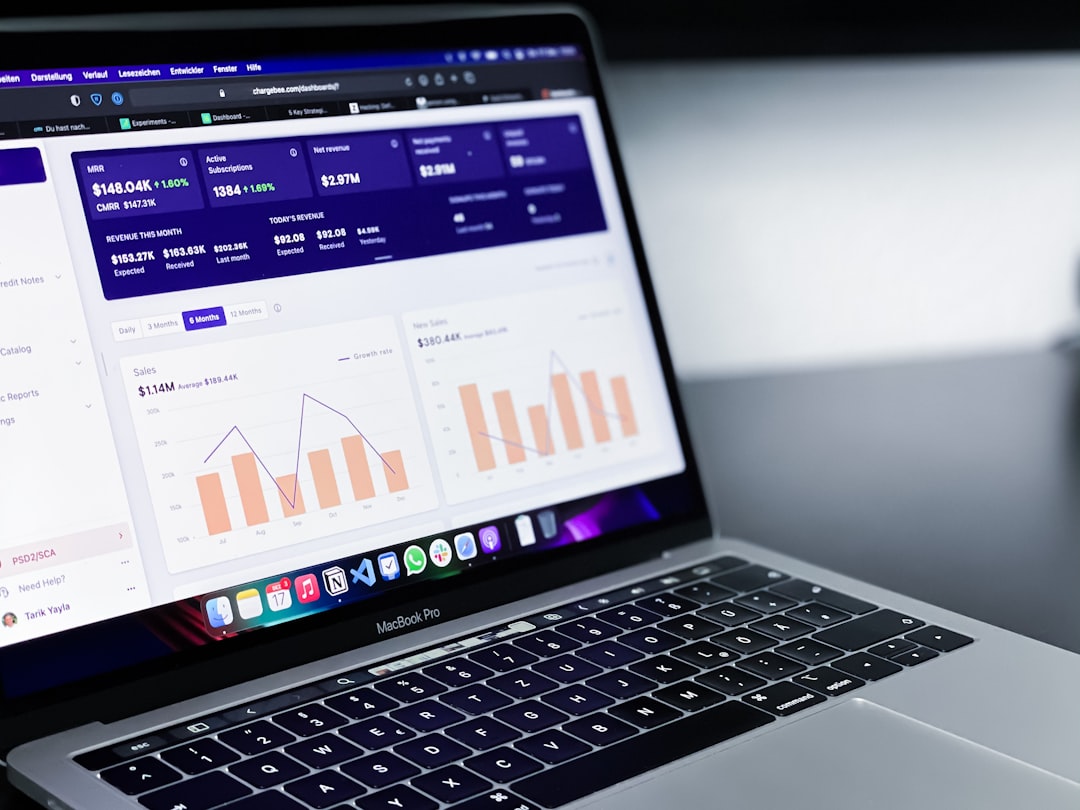
Samsara is often easier for drivers and dispatchers to accept. The interface is clean. The mobile app is strong. Its safety tools are a major draw, especially AI dash cams, coaching workflows, and driver scorecards.
If your fleet runs mostly tractors and straight trucks, Samsara may feel faster on day one. Reports are simple. Video clips are easy to review. Managers can see harsh braking, speeding, distracted driving, and route progress without much training.
The catch is that Samsara is less specialized in complex trailer and reefer operations. It can track assets, yes. But ORBCOMM tends to fit better when the trailer is the center of the business, not just something pulled by the truck.
For a food distributor, that difference is not small. A failed reefer load can cost thousands of dollars. ORBCOMM’s temperature monitoring and reefer alarm focus can be more useful than a prettier dashboard.
ORBCOMM vs Geotab
Geotab is known for deep data. It is strong in vehicle diagnostics, fuel use, maintenance planning, driver behavior, and compliance reporting. It also has a large marketplace with many third-party add-ons.
Geotab is a good fit for fleets that want to study every mile. Maintenance teams can use engine fault data. Finance teams can study fuel trends. Operations teams can compare routes, idle time, utilization, and driver habits.
ORBCOMM feels more purpose-built for fleets where the asset itself is the risk. That includes a reefer full of frozen food, a container crossing regions, or a trailer sitting in a crowded yard. Geotab can support asset tracking, but ORBCOMM often has the better story for non-powered and refrigerated assets.
Honestly, it feels like some platforms make asset tracking an add-on and hope nobody notices. That gets annoying fast when a dispatcher needs to find a trailer in 20 seconds, not after opening three screens and guessing from stale data.
Geotab reports more than 4 million connected vehicles worldwide, which shows its scale in fleet telematics [source: Geotab]. Scale helps. But the right choice still depends on what you track.
Where ORBCOMM May Fall Short
ORBCOMM is serious and capable, but it is not always the smoothest option for every user. Teams that want the most modern app experience may prefer Samsara. Teams that live in spreadsheets, APIs, and advanced reports may prefer Geotab.
Expect some setup work. Hardware choice matters. Sensor placement matters. Alerts must be tuned well. If temperature, door, fuel, and location alerts are noisy, people stop trusting them.
ORBCOMM also makes the most sense when the business case is clear. If a fleet only needs basic GPS for 25 trucks, it may be more platform than needed. If the fleet has 2,000 trailers, 300 reefers, and assets spread across yards, ports, and customer sites, ORBCOMM becomes much easier to justify.
Best Fit by Fleet Type
- Choose ORBCOMM for trailer-heavy fleets, cold chain logistics, intermodal freight, containers, maritime assets, and remote equipment.
- Choose Samsara for driver safety, AI video, ELD, simple dispatch visibility, and fast user adoption.
- Choose Geotab for engine diagnostics, fuel analysis, maintenance data, compliance, and broad integration options.
Decision Checklist
Before choosing, ask five plain questions:
- Do we track more trailers than trucks?
- Do we need reefer temperature proof for customers?
- Do our assets travel through weak cellular areas?
- Do managers need video safety tools more than asset sensors?
- Do we need advanced vehicle data and a large app marketplace?
If the first three answers are “yes,” ORBCOMM should be high on the shortlist. If question four matters most, Samsara is likely stronger. If question five is the priority, Geotab deserves a close look.
Final Verdict
ORBCOMM is best for fleets where trailers, reefers, containers, and remote assets drive the profit and risk. It is not just about dots on a map. It is about knowing whether cargo is safe, equipment is moving, and idle assets are costing money.
Samsara wins on user experience and safety video. Geotab wins on vehicle data depth and ecosystem size. ORBCOMM wins when connected assets are the hard part of the operation.
For serious fleets, the best move is to run a pilot. Test 20 to 50 assets. Include one yard, one remote route, and one high-value customer lane. Measure trailer search time, reefer alarm response, asset utilization, and support quality. The numbers will make the choice much clearer.