Agencies should treat AgencyAnalytics as the client reporting hub and SE Ranking as the SEO campaign control room. That pairing gives an SEO company cleaner dashboards, stronger rank tracking, better site audits, and less painful monthly reporting. AgencyAnalytics says it is used by more than 6,500 agencies, which shows how common reporting automation has become in agency workflows [source: AgencyAnalytics].
TLDR: AgencyAnalytics is best for client-facing dashboards, automated reports, and showing campaign value in plain English. SE Ranking is stronger for keyword tracking, competitor research, audits, and daily SEO task work. For example, a 12-client agency could save 8 to 12 hours per month by replacing manual Looker Studio slides with scheduled AgencyAnalytics reports, while using SE Ranking to track 500 keywords and flag technical issues weekly. The best setup is not either-or; it is often both tools, with each one doing the job it handles best.
Why SEO Companies Need Campaign Management Software
SEO agencies deal with a messy mix of rankings, traffic, backlinks, audits, content plans, and client questions. Spreadsheets can work for one or two clients. After that, they become a headache.
SEO company management software helps teams keep campaigns organized. It also helps account managers explain results without pulling data from ten different places. That matters because clients rarely ask for raw data. They ask, “What improved, what dropped, and what happens next?”
The catch is that many tools claim to do everything. Most do not. AgencyAnalytics and SE Ranking are both useful, but they solve different problems.
AgencyAnalytics: Best for Reporting and Client Visibility
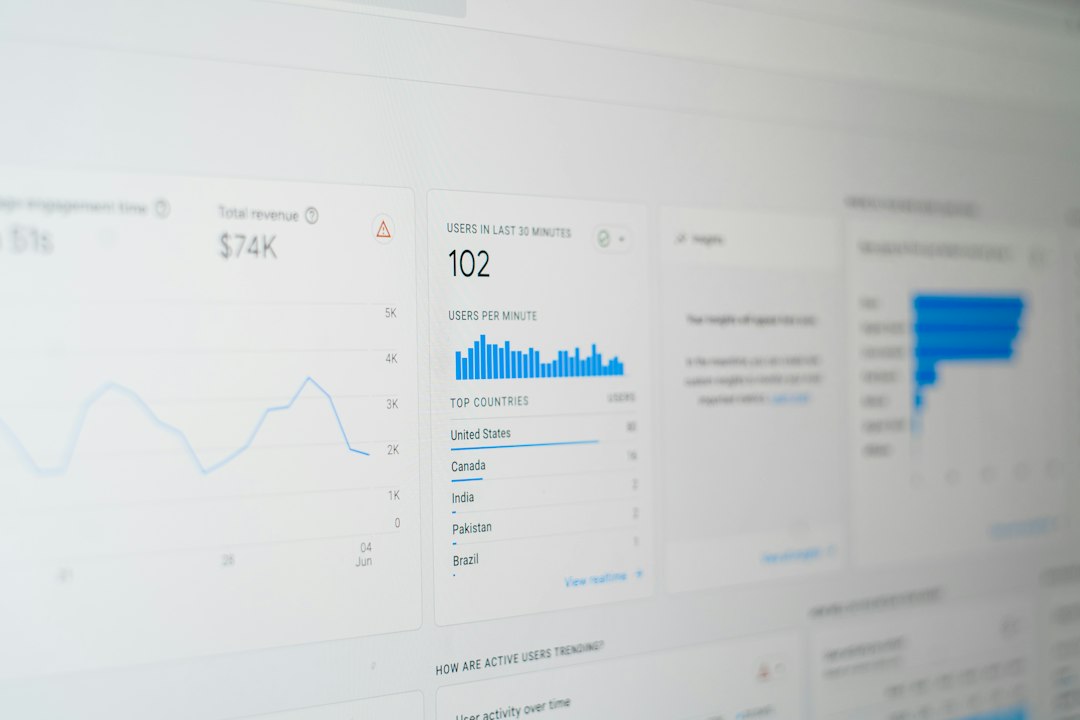
AgencyAnalytics is built around dashboards and reports. It connects with tools such as Google Analytics, Google Search Console, Google Ads, Facebook, call tracking platforms, and rank trackers. The main value is simple: it turns scattered campaign data into client-ready reports.
For an SEO agency, this helps in a few clear ways:
- Automated monthly reports: Reports can be scheduled and sent without manual work.
- White label dashboards: Agencies can add their own branding and client portal access.
- Simple KPI tracking: Organic traffic, conversions, rankings, backlinks, and goals can sit in one view.
- Client-friendly summaries: Account managers can show progress without drowning clients in charts.
It drives teams mad when a report takes 45 minutes to build and the client only reads the first page. AgencyAnalytics cuts that waste. It helps teams create clean, repeatable reports that do not need to be rebuilt every month.
Still, AgencyAnalytics is not a deep SEO research suite. It can track rankings and display SEO data, but agencies that need richer keyword research, competitor checks, and technical audit workflows may need another tool beside it.
SE Ranking: Best for SEO Execution
SE Ranking focuses more on day-to-day SEO work. It gives agencies tools for rank tracking, website audits, backlink checks, competitor research, keyword ideas, and content planning. This makes it useful for strategists, SEO managers, and technical specialists.
An agency can use SE Ranking to:
- Track rankings by location: Useful for local SEO and multi-location clients.
- Audit sites: Teams can spot crawl errors, broken links, slow pages, and meta issues.
- Watch competitors: Agencies can compare rankings, traffic estimates, and keyword gaps.
- Plan content: Keyword research helps teams build briefs and topic clusters.
- Monitor backlinks: Link gains and losses can be reviewed during campaign checks.
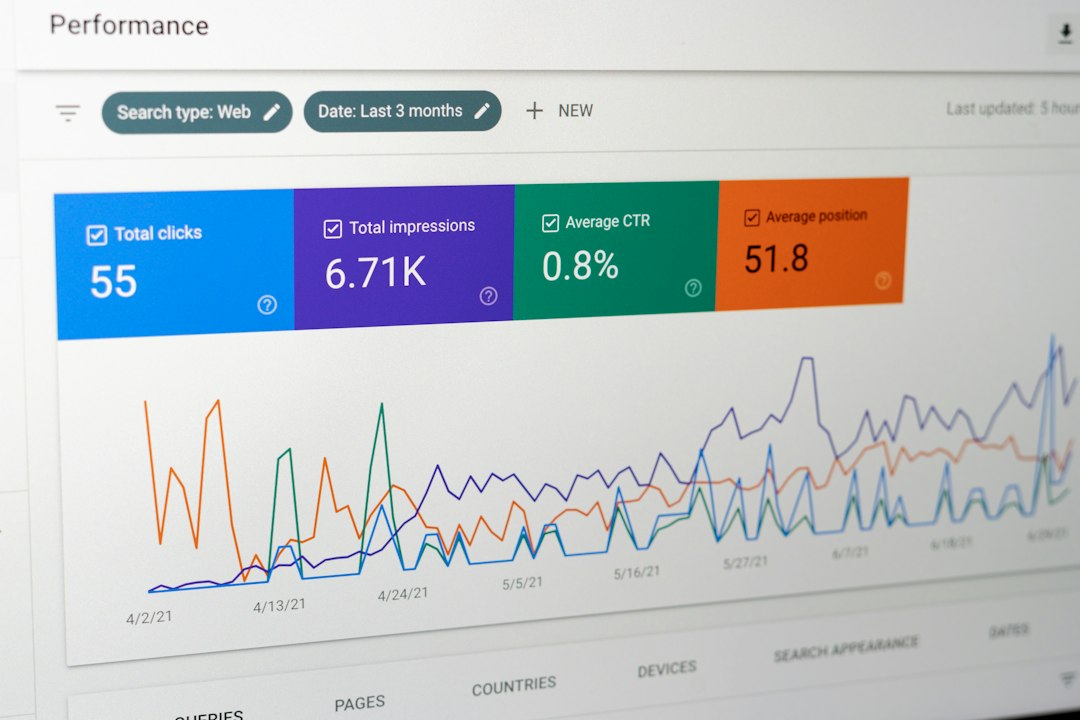
Honestly, it feels like some SEO tools hide the useful data three clicks too deep. SE Ranking is usually more direct. A campaign manager can open a project, check ranking movement, scan audit errors, and see competitor changes without much hunting.
For agencies building a stronger search process, it also pairs well with broader SEO strategic planning tools. SE Ranking handles many core tasks, but a written strategy still needs human judgment.
How Agencies Can Use Both Together
The strongest workflow is often simple. SE Ranking manages the SEO work. AgencyAnalytics presents the results.
A typical client campaign could run like this:
- Set up tracking in SE Ranking: Add target keywords, locations, competitors, and the client website.
- Run a site audit: Fix high-impact technical errors first.
- Build a keyword plan: Group keywords by service, intent, and difficulty.
- Create content tasks: Assign pages, briefs, and updates to the content team.
- Connect reporting in AgencyAnalytics: Pull in ranking, traffic, conversion, and ad data.
- Send client reports: Use plain notes to explain wins, losses, and next actions.
This setup keeps specialists inside SE Ranking and keeps clients inside polished AgencyAnalytics reports. That split prevents messy access issues. It also reduces the risk of clients misreading raw ranking drops without context.
Which Tool Should an Agency Choose?
If an agency can only pick one, the choice depends on the pain point.
- Pick AgencyAnalytics if reporting takes too long or clients keep asking for updates.
- Pick SE Ranking if the team needs better rank tracking, audits, keyword research, and competitor data.
- Use both if the agency manages many retainers and wants cleaner operations from research to reporting.
Smaller agencies may start with SE Ranking because campaign work comes first. Once client numbers grow, AgencyAnalytics becomes more useful. Reporting that takes 10 hours per month may not hurt at first. At 30 clients, it becomes a real cost.
Agencies that also manage content calendars, email updates, or social publishing may want to compare extra content marketing tools. SEO software helps measure and plan, but publishing workflows need their own structure.
Common Mistakes to Avoid
Some agencies buy software and expect it to fix weak processes. That rarely works. Tools only help when the agency has clear campaign steps.
Common mistakes include:
- Tracking too many keywords with no business value.
- Sending reports with no written summary.
- Ignoring conversions and focusing only on rankings.
- Giving clients access to raw data without explanation.
- Running audits but not assigning fixes.
A better approach is to connect every metric to a client goal. Rankings matter. Traffic matters. But leads, sales, booked calls, and quote requests matter more. Agencies building a full process can also review SEO strategy development tools to support keyword planning, technical fixes, and content direction.
FAQ
Is AgencyAnalytics good for SEO agencies?
Yes. AgencyAnalytics is strong for client dashboards, automated reports, and white label reporting. It is especially useful when an agency manages many clients.
Is SE Ranking better than AgencyAnalytics?
SE Ranking is better for SEO research and campaign tasks. AgencyAnalytics is better for reporting. They serve different needs.
Can an agency use both tools together?
Yes. Many agencies can use SE Ranking for audits, rankings, and keyword research, then use AgencyAnalytics to report results to clients.
Which tool is better for client reporting?
AgencyAnalytics is the better reporting tool. Its dashboards and scheduled reports are built for client communication.
Which tool is better for keyword tracking?
SE Ranking is usually the stronger choice for keyword tracking, competitor checks, and SEO campaign monitoring.