
Kreo, STACK, Autodesk Takeoff, Procore Estimating, and Beam AI are five strong Togal.AI alternatives for contractors that want faster takeoffs, cleaner bids, and fewer spreadsheet headaches. Togal.AI says its AI takeoff software can cut takeoff time by up to 80%, which explains why this category is getting so much attention [source: Togal.AI].
TLDR: Contractors comparing Togal.AI alternatives should start with Kreo for AI-assisted takeoff, STACK for cloud estimating, and Beam AI for fast plan measurement. For example, a small estimating team reviewing 40 plan sheets could cut several hours from manual quantity takeoff by using automated area and length detection. Firms that bid 10 to 20 jobs each month may see the biggest gain, since even 20 minutes saved per sheet adds up fast. The best pick depends on trade type, bid volume, and how much estimating detail the team needs.
Why Contractors Compare Togal.AI With Other Estimating Tools
Togal.AI is known for AI-based construction takeoff. It helps estimators measure drawings, detect spaces, and speed up early quantity work. Still, not every team wants the same workflow. Some need full cost databases. Others want better collaboration, tighter bid tracking, or trade-specific templates.
Honestly, it feels like some estimating tools still make users click five times to do one simple task. That gets old during bid week. The best Togal.AI alternative should reduce that pain, not add a new layer of software chores.

1. Kreo
Kreo is one of the closest Togal.AI alternatives for AI-assisted takeoff. It can identify rooms, areas, walls, and other plan elements. This makes it useful for general contractors, flooring teams, drywall estimators, and painting contractors.
The main appeal is speed. Kreo helps teams move from uploaded drawings to measured quantities with fewer manual steps. It also supports collaboration, so several users can review the same project.
- Best for: AI takeoff and visual estimating.
- Not ideal for: Teams that need a very deep built-in cost database.
- Standout feature: Smart plan recognition for faster quantity extraction.
2. STACK
STACK is a cloud-based takeoff and estimating platform. It is popular with subcontractors because it keeps bids, plans, and measurements in one browser-based system. No heavy desktop setup is needed.
STACK may suit teams that want more than automated takeoff. It includes assemblies, item lists, reports, and proposal tools. That makes it useful for bidders who want a cleaner path from takeoff to final quote.
It drives estimators crazy when a bid file lives in one tool, the marked-up PDF sits somewhere else, and the price sheet is buried in a folder. STACK tries to keep that mess under control.
- Best for: Trade contractors that bid often.
- Not ideal for: Users who prefer a purely AI-first tool.
- Standout feature: Cloud takeoff with estimating and proposal support.
3. Autodesk Takeoff
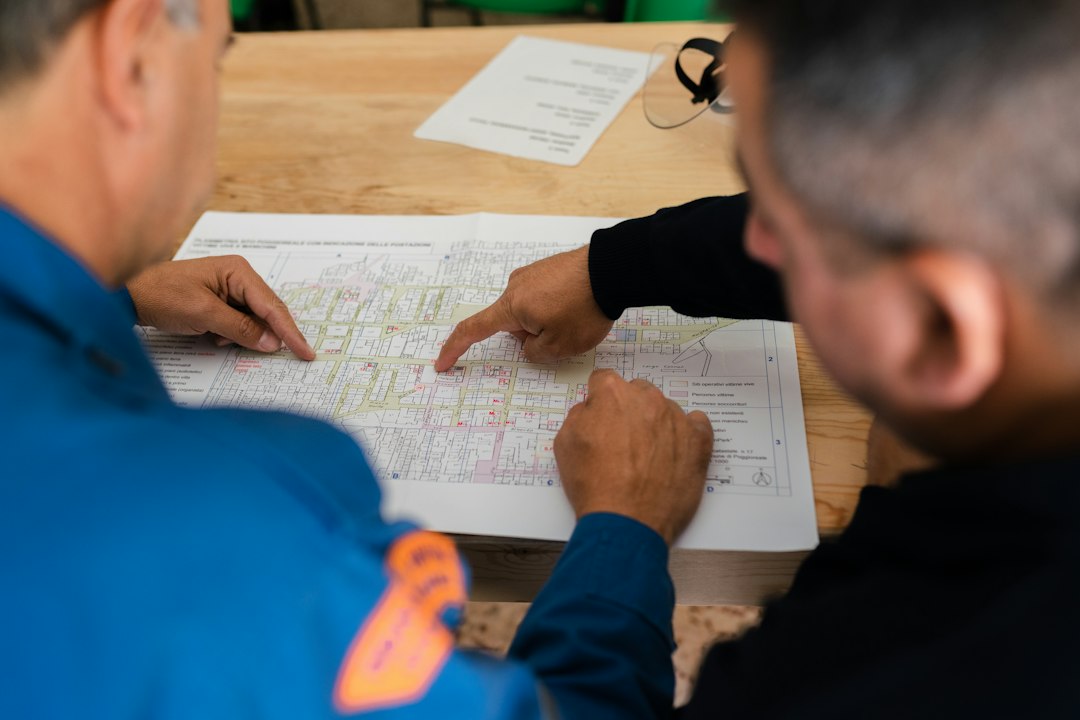
Autodesk Takeoff is a strong option for contractors already using Autodesk Construction Cloud. It supports 2D and 3D takeoff, so teams can measure from plan sheets and models in the same system.
This tool fits larger builders, construction managers, and firms with BIM-heavy workflows. It may also help teams understand the phases of construction because estimating data can connect more easily with project planning and preconstruction work.
- Best for: Firms already using Autodesk tools.
- Not ideal for: Small teams that want the simplest setup.
- Standout feature: 2D and 3D takeoff inside a broader construction platform.
4. Procore Estimating
Procore Estimating is built for teams that want estimating tied to project management. It supports takeoff, estimating, bidding, and budget handoff. For companies already using Procore, this can reduce double entry.
Its key strength is connection. Estimating data can move into other project workflows more smoothly than with stand-alone tools. That helps when a winning bid needs to become a real budget fast.
- Best for: Contractors using Procore for project management.
- Not ideal for: Teams that only need low-cost takeoff.
- Standout feature: Estimating connected to project controls.
5. Beam AI
Beam AI focuses on AI-powered takeoff and estimating support. It is designed to process construction drawings quickly and help estimators pull quantities with less manual tracing.
This can be useful for busy preconstruction teams that receive large plan sets and need early numbers fast. It may also appeal to contractors that want software to handle repetitive measurement work while the estimator checks scope and pricing.
- Best for: Fast plan review and AI quantity extraction.
- Not ideal for: Teams that want full project management tools.
- Standout feature: AI-driven takeoff for high-volume estimating work.
How to Choose the Right Togal.AI Alternative
The right tool depends on how the contractor bids. A flooring subcontractor may care most about area takeoff. A general contractor may need bid leveling, cost codes, and budget handoff. An insurance restoration firm may need a different workflow, and tools listed in this guide to Xactimate alternatives may be more relevant.
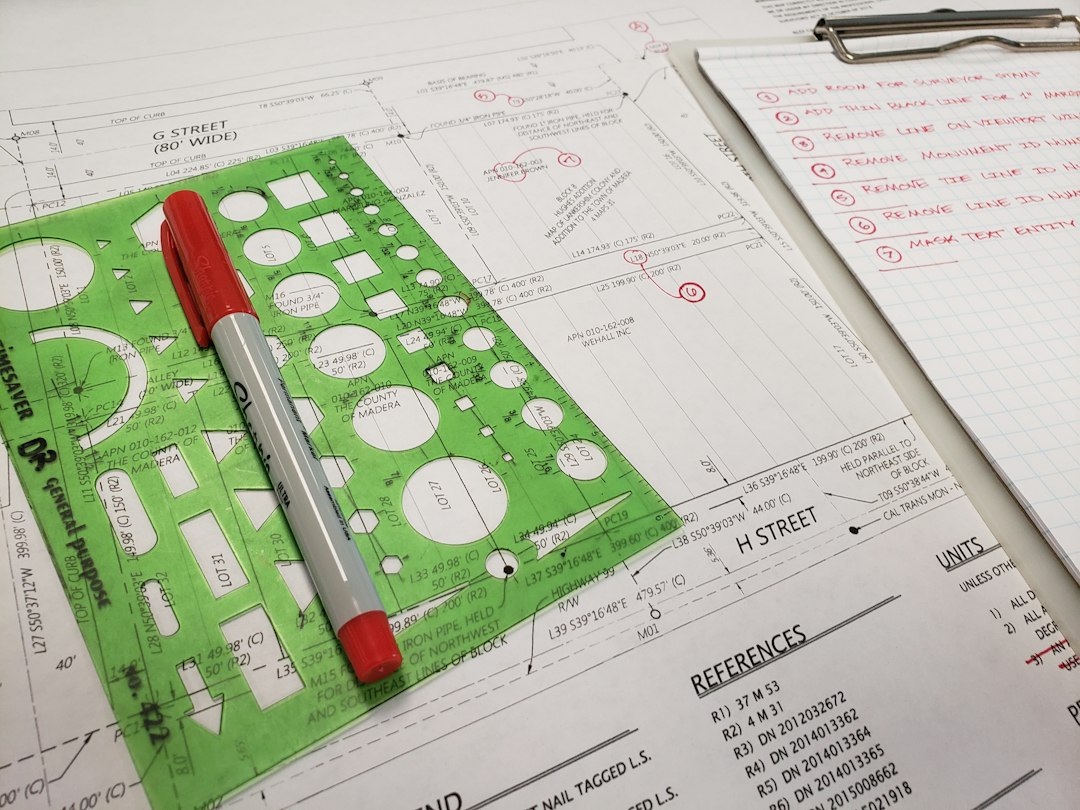
Before buying, teams should test each tool on a real past project. They should track three numbers: time to upload plans, time to complete takeoff, and time to produce a bid report. If the tool saves time but creates messy exports, the gain may disappear.
FAQ
What is the best Togal.AI alternative?
Kreo is often the closest match for AI-powered takeoff. STACK is better for teams that want takeoff plus estimating and proposals.
Are AI estimating tools accurate?
They can be accurate, but human review is still needed. AI can speed up measurements, yet estimators must check scope, plan quality, exclusions, and pricing.
Which tool is best for general contractors?
Autodesk Takeoff and Procore Estimating are strong choices for general contractors, especially when estimating must connect with project planning or budget tracking.
Which tool is best for subcontractors?
STACK and Kreo are good fits for many subcontractors. They help with trade takeoffs, bid preparation, and faster quantity checks.
Should a contractor replace manual estimating fully?
No. AI should support the estimator, not replace judgment. The software handles repeated measuring tasks, while the estimator checks risk, scope gaps, labor, and final pricing.