
The best SEO strategy starts with one simple system: pick tools that show demand, rank gaps, content quality, and technical blockers before anyone writes a brief. That matters because Ahrefs found that 96.55% of pages get no organic traffic from Google [source: Ahrefs]. A small team can avoid that fate by pairing keyword data with real site checks and content scoring.
TLDR: A strong SEO planning stack should include tools for keyword research, competitor checks, content planning, rank tracking, and technical audits. For example, a 500-page ecommerce site might use Google Search Console to find 120 pages with falling clicks, Screaming Frog to catch 48 broken internal links, and Semrush or Ahrefs to group 300 keyword ideas into five content hubs. The goal is not more dashboards. The goal is fewer guesses and clearer next steps.
1. Google Search Console
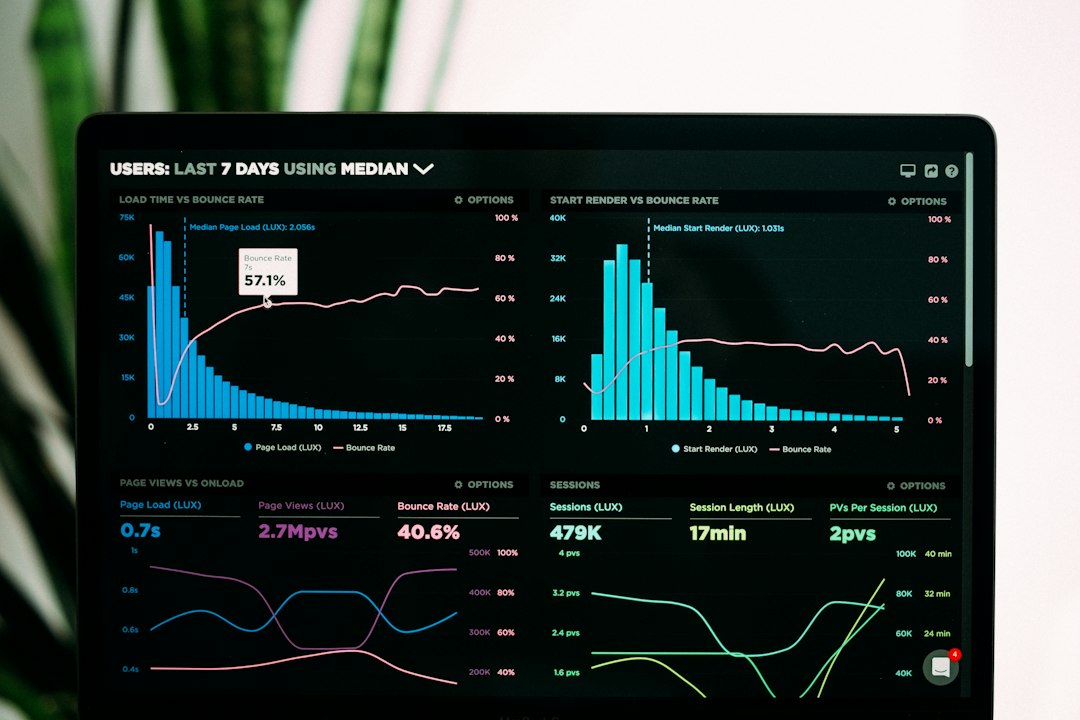
Google Search Console is the first tool any SEO team should open. It shows the queries, pages, clicks, impressions, indexing issues, and Core Web Vitals warnings tied to a site’s real Google presence.
It is best for spotting low-hanging fruit. A page sitting in position 8 with high impressions may need a better title, stronger intro, or fresh internal links. It drives people crazy that some reports lag by a day or two, but the data is still hard to ignore because it comes straight from Google.
- Best use: Finding pages with falling clicks.
- Keyword value: Shows real search queries already tied to the site.
- Technical value: Flags indexing, sitemap, mobile, and page experience issues.
2. Google Keyword Planner
Google Keyword Planner is simple, free, and useful for early keyword planning. It was built for ads, but SEO teams can still use it to check search volume ranges, related phrases, and commercial intent.
Its volume ranges can feel too broad. That is annoying when a team needs precision. Still, it helps separate dead ideas from topics with real demand. It also gives clues about buyer intent through bid ranges.
- Best use: Building early keyword lists.
- Content value: Helps sort informational terms from purchase terms.
- Planning value: Useful for local, service, and ecommerce keyword ideas.
3. Ahrefs
Ahrefs is one of the strongest tools for competitor research, backlink checks, and keyword gap planning. It helps teams see which pages bring traffic to rivals and which keywords a site has missed.
The most useful feature for strategy is often Content Gap. A team can compare its site against three competitors and find keywords everyone else ranks for. That saves hours of manual searching.
- Best use: Competitor keyword gaps and backlink research.
- Content value: Finds topics competitors already win.
- Technical value: Includes site audit checks for broken links, redirects, and crawl errors.
4. Semrush
Semrush works well as an all-in-one SEO planning tool. It covers keyword research, competitor tracking, content briefs, rank tracking, and site audits. A team that wants fewer separate tools may prefer it.
Its Keyword Magic Tool is useful for grouping terms by intent and theme. Its Position Tracking report also makes reporting clear for managers. Honestly, some menus feel stuffed with too many options. Finding one report can take longer than it should.
- Best use: Full SEO campaign planning.
- Keyword value: Groups large keyword sets fast.
- Reporting value: Tracks ranking changes over time.
5. Screaming Frog SEO Spider
Screaming Frog SEO Spider is built for technical SEO. It crawls a site like a search engine bot and lists URLs, title tags, meta descriptions, status codes, canonicals, headers, image sizes, and internal links.
This tool is especially helpful before a migration, redesign, or large content cleanup. A 10,000-page site can hide hundreds of thin pages, redirect chains, missing titles, and duplicate headings. Screaming Frog brings those issues into one export.
- Best use: Technical audits and crawl checks.
- Content value: Finds duplicate, thin, or missing metadata.
- Technical value: Spots redirect chains, 404s, canonicals, and orphan risks.
6. Surfer SEO
Surfer SEO helps teams plan and improve content using SERP-based recommendations. It compares a draft against ranking pages and suggests word count ranges, headings, related terms, and content structure.
It should not be treated like a robot editor. Stuffing every suggested term into a page can make the copy sound stiff. Used with care, though, it helps writers cover missing subtopics and build stronger briefs.
- Best use: Content briefs and on-page optimization.
- Keyword value: Suggests related terms from top-ranking pages.
- Content value: Helps improve depth without guessing.
7. Sitebulb
Sitebulb is another strong technical SEO audit tool. It turns crawl data into visual reports, issue scores, and clear hints. This makes it easier for non-technical stakeholders to understand what is broken.
Sitebulb is useful when a team needs to explain why technical work matters. Instead of sending a huge spreadsheet, an SEO specialist can show crawl maps, internal linking problems, and priority hints. Google also states that it uses links to discover pages [source: Google Search Central], so internal link issues should not sit untouched.
- Best use: Visual technical audits.
- Technical value: Finds crawl depth, link, indexability, and page speed issues.
- Team value: Turns messy audit data into readable reports.
How Teams Can Build a Simple SEO Planning Workflow
- Start with Google Search Console. Find pages losing clicks or stuck near page one.
- Use Keyword Planner, Ahrefs, or Semrush. Build topic groups and check demand.
- Study competitors. Find keywords, backlinks, and page types that already work.
- Create briefs in Surfer SEO. Add search intent, headings, and missing subtopics.
- Crawl the site with Screaming Frog or Sitebulb. Fix technical blockers before publishing more content.
The catch is that no tool builds the strategy alone. Good SEO still needs judgment. A smart team checks the data, studies the SERP, reviews the site, and then picks the work with the highest likely return.
FAQ
What is the best SEO tool for keyword planning?
Semrush, Ahrefs, and Google Keyword Planner are strong choices. Google Keyword Planner is good for basic demand checks. Ahrefs and Semrush are better for competitor gaps and larger keyword plans.
Which tool is best for technical SEO audits?
Screaming Frog SEO Spider and Sitebulb are both strong. Screaming Frog is great for exports and deep crawl data. Sitebulb is better for visual reports and easier team sharing.
Should a small business pay for SEO tools?
A small business can start with Google Search Console and Google Keyword Planner. Paid tools make sense when the site has enough content, competition, or revenue potential to justify faster research.
Can content tools replace SEO writers?
No. Tools like Surfer SEO help with structure and topic coverage. A skilled writer still needs to match intent, avoid fluff, and make the page useful.
How often should an SEO strategy be reviewed?
Most teams should review SEO performance every month. Larger sites may need weekly checks for rankings, crawl issues, and traffic drops.