
As digital assets continue to gain mainstream adoption, the importance of securing cryptocurrencies has never been greater. While blockchain technology itself is designed to be secure, the weak link often lies in how private keys and wallet credentials are stored. Crypto wallet security software provides essential protection layers against hacking, phishing, malware, and unauthorized access. Choosing the right solution can mean the difference between safe asset storage and irreversible loss.
TL;DR: Crypto wallet security software is essential for safeguarding private keys and preventing unauthorized access to digital assets. The most secure solutions combine encryption, multi-factor authentication, hardware integration, and advanced threat monitoring. This article examines six trusted crypto wallet security tools, comparing their features, strengths, and ideal use cases. Selecting the right solution depends on your portfolio size, usage habits, and security requirements.
Below are six reliable and widely respected crypto wallet security solutions designed to protect digital holdings.
1. Ledger Live (with Ledger Hardware Wallets)

Ledger Live is the companion software for Ledger hardware wallets such as the Ledger Nano X and Nano S Plus. It allows users to manage crypto assets while keeping private keys isolated within a secure hardware device.
Key Security Features:
- Secure Element (SE) chip certified to CC EAL5+
- Offline private key storage (cold storage)
- PIN code and optional passphrase protection
- Transaction verification on physical device screen
Ledger’s architecture ensures that private keys never leave the device, significantly reducing online attack vectors. Even if a user’s computer is infected with malware, transactions must be physically confirmed on the hardware wallet.
Best for: Long-term investors and users holding substantial crypto balances who prioritize maximum offline security.
2. Trezor Suite (with Trezor Hardware Wallets)
Trezor Suite is the official desktop and web interface for Trezor hardware wallets, including the Model T and Trezor One. Like Ledger, Trezor emphasizes offline private key storage but differentiates itself with an open-source security model.
Key Security Features:
- Offline private key generation and storage
- Open-source firmware and software
- Shamir Backup support (Model T)
- Passphrase protection and PIN entry
Open-source transparency allows independent audits, strengthening trust within the crypto community. Trezor Suite also integrates features such as coin control and Tor connectivity for increased transaction privacy.
Best for: Security-conscious users who value transparency and open-source verification.
3. Exodus Wallet with Integrated Security Features
Exodus is a software wallet known for its user-friendly interface. While primarily a hot wallet, it includes multiple built-in security protections and can integrate with Trezor hardware devices for added security.
Key Security Features:
- Encrypted private keys stored locally on device
- Password protection and optional biometric login
- Backup recovery phrase
- Hardware wallet integration for cold storage
Unlike custodial wallets, Exodus does not store user private keys on its servers. However, because it is software-based, it remains connected to the internet and therefore carries greater exposure than cold wallets.
Best for: Active traders who want an intuitive interface without sacrificing basic security controls.
4. Bitdefender Crypto Security for Wallet Protection
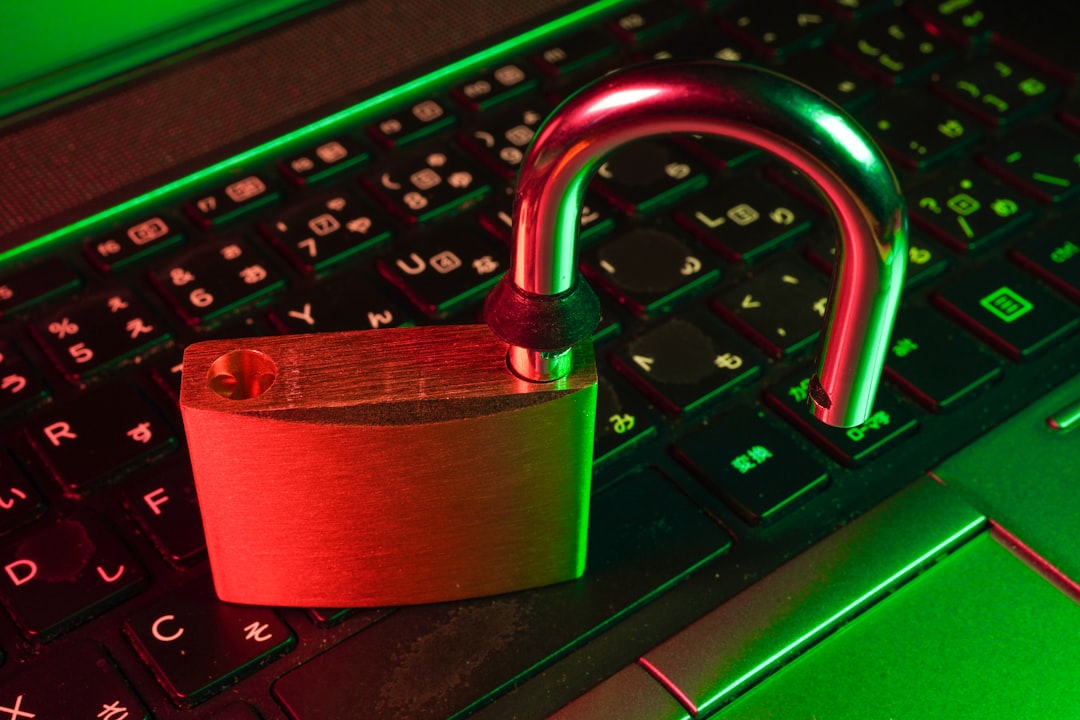
General cybersecurity software is increasingly incorporating crypto-specific protections. Bitdefender Crypto Security monitors wallet addresses and alerts users to breaches, exploits, and suspicious activity.
Key Security Features:
- Real-time phishing detection
- Clipboard hijacking protection
- Malicious URL blocking
- Dark web monitoring for compromised credentials
This type of solution does not replace a wallet, but rather adds a defensive layer that monitors for external threats. Clipboard hijackers, for example, can replace copied wallet addresses with attacker-controlled ones. Bitdefender helps prevent such attacks in real time.
Best for: Users concerned about malware, phishing, and browser-based crypto attacks.
5. Authy and Advanced MFA Solutions
Multi-factor authentication (MFA) apps like Authy provide critical protection for crypto exchange accounts and software wallets. While not a wallet storage tool itself, MFA significantly reduces account takeover risk.
Key Security Features:
- Time-based one-time passwords (TOTP)
- Encrypted cloud backups
- Multi-device synchronization
- Biometric lock options
When enabled on exchanges and wallet platforms, MFA ensures that a stolen password alone is insufficient for access. Experts strongly recommend avoiding SMS-based 2FA in favor of authentication apps due to SIM swapping risks.
Best for: All crypto users securing exchange accounts or hot wallets.
6. Casa Security Platform

Casa offers enterprise-grade and personal multi-signature (multisig) wallet security solutions, particularly for Bitcoin holders. Multisig requires multiple private keys to authorize transactions, reducing single points of failure.
Key Security Features:
- Multi-signature wallet architecture
- Distributed key storage
- Guided recovery support
- Inheritance and estate planning tools
With Casa, keys are distributed across hardware devices and secure locations. Even if one device is compromised or lost, funds remain protected. This model dramatically reduces risk compared to single-key wallets.
Best for: High-net-worth individuals and long-term Bitcoin holders seeking institutional-grade protection.
Comparison Chart: Crypto Wallet Security Solutions
| Solution | Wallet Type | Primary Security Strength | Offline Storage | Best For |
|---|---|---|---|---|
| Ledger Live | Hardware + Software | Secure Element chip | Yes | Long-term cold storage |
| Trezor Suite | Hardware + Software | Open-source transparency | Yes | Security-focused users |
| Exodus | Software Wallet | Local encryption + hardware integration | No (unless paired) | Active traders |
| Bitdefender Crypto Security | Security Software | Phishing and malware protection | N/A | Threat monitoring |
| Authy (MFA) | Authentication App | Multi-factor authentication | N/A | Account protection |
| Casa | Multisig Platform | Multi-signature key distribution | Yes | High-value portfolios |
Key Considerations When Choosing a Crypto Security Solution
When selecting wallet security software, consider the following factors:
- Asset Value: Higher balances justify stronger cold or multisig storage.
- Frequency of Transactions: Active traders may require a balance between security and accessibility.
- Technical Expertise: Multisig solutions may involve a learning curve.
- Threat Model: Consider phishing, malware, insider threats, and physical theft.
No single solution fits every user. Many security professionals recommend layering multiple tools—for example, combining a hardware wallet with antivirus protection and MFA.
Best Practices Beyond Software
Even the strongest security software cannot compensate for poor operational practices. Consider implementing these additional safeguards:
- Store recovery phrases offline in multiple secure locations
- Use fireproof and waterproof backup storage
- Never share seed phrases digitally
- Verify URLs before entering wallet credentials
- Regularly update wallet firmware and software
Digital asset custody requires discipline. Unlike traditional banking systems, cryptocurrency transactions are typically irreversible, and there is no central authority to recover stolen funds.
Final Thoughts
Crypto wallet security software has evolved significantly, offering robust solutions tailored to different levels of risk tolerance and portfolio size. From hardware wallets like Ledger and Trezor to multisig platforms like Casa and protective layers such as Bitdefender and Authy, investors now have access to sophisticated tools designed to safeguard digital wealth.
The most prudent approach is layered security: isolate private keys offline, monitor devices for threats, enable strong authentication, and maintain disciplined backup procedures. As the digital asset ecosystem matures, those who treat security as a priority rather than an afterthought will be best positioned to protect their investments for the long term.