
Startups building data-driven products quickly discover that real-time data pipelines are no longer a luxury — they are core infrastructure. Whether it’s powering in-app analytics, fraud detection, recommendation engines, or operational dashboards, fast and reliable data processing determines how competitive a young company can be.
TLDR: While Tinybird is a popular option for real-time analytics APIs, startups have several powerful alternatives depending on their scale and technical expertise. Apache Kafka, ClickHouse Cloud, Confluent Cloud, and Snowflake with Snowpipe Streaming each offer distinct advantages in performance, flexibility, and ecosystem integration. Choosing the right platform depends on workload complexity, team experience, budget, and long-term scalability goals. Exploring alternatives early can prevent costly migrations later.
Although Tinybird streamlines real-time data ingestion and querying with a developer-friendly approach, it may not fit every startup’s needs. Some teams require deeper customization, others prioritize ecosystem integration, and some need greater scale or workload flexibility. Below are four strong platforms startups frequently explore instead of Tinybird — and why.
1. Apache Kafka
Apache Kafka is often the first name that comes up in discussions about real-time streaming. Originally developed at LinkedIn, Kafka has grown into the backbone of modern event-driven architectures.
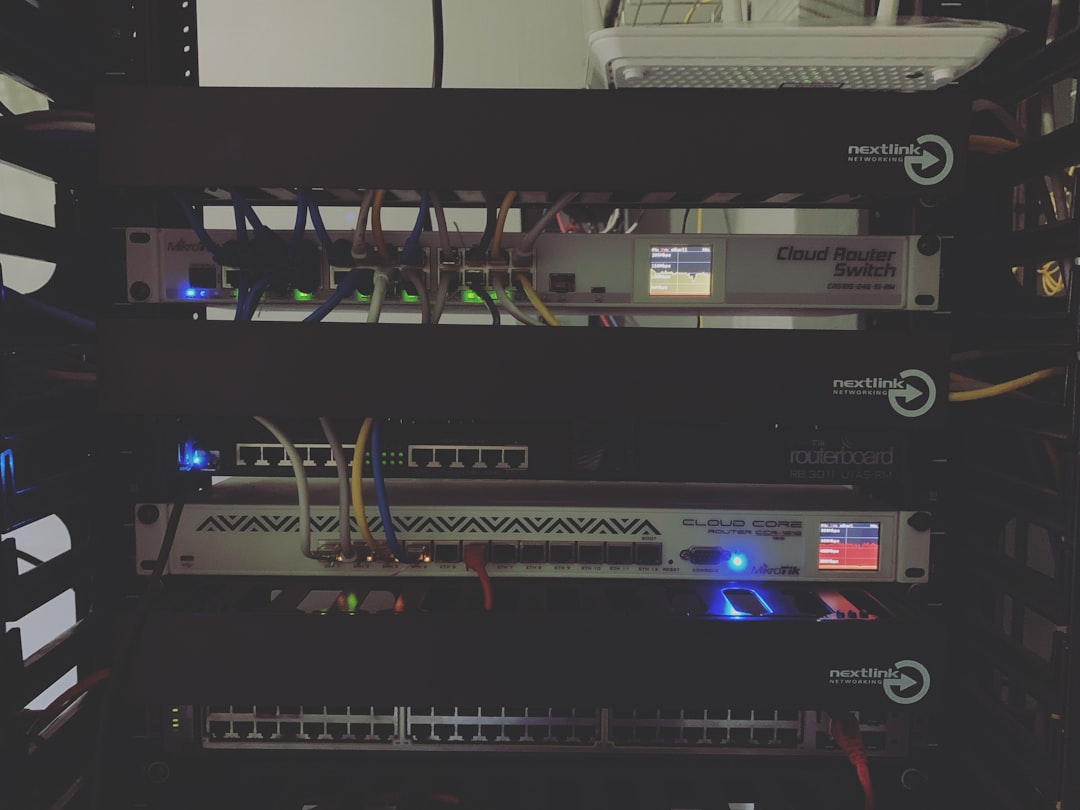
Why startups consider it:
- High-throughput, distributed event streaming
- Massive ecosystem and community support
- Flexible integration with processors and storage systems
- Proven scalability for enterprise workloads
Unlike Tinybird, which tightly combines ingestion and analytics, Kafka focuses primarily on event streaming. It acts as a central nervous system that routes real-time data between services. Startups can then attach stream processors like Kafka Streams or Apache Flink, and analytics databases like ClickHouse or Cassandra.
This modular approach offers exceptional flexibility — but it requires more engineering effort. Teams must handle cluster management, scaling, monitoring, and possibly schema governance. Managed Kafka providers (such as Amazon MSK or Aiven) can reduce operational overhead significantly.
Best for: Startups building complex event-driven systems, IoT platforms, high-frequency data apps, or microservices architectures where control and customization are critical.
2. ClickHouse Cloud
ClickHouse is a high-performance, column-oriented database designed specifically for online analytical processing (OLAP). Its cloud-managed version has made it much more accessible to startups.
Many teams consider ClickHouse Cloud when they outgrow simpler real-time tools or need more analytical flexibility than Tinybird provides.
Notable strengths:
- Exceptional query performance at scale
- Columnar storage optimized for analytics
- Cost efficiency for large data volumes
- Strong SQL compatibility

ClickHouse thrives in read-heavy environments. If your startup offers customer-facing analytics dashboards or tracks millions of events per minute, ClickHouse’s compression and partitioning strategies can dramatically reduce storage costs while maintaining sub-second query speed.
It also integrates well with streaming systems like Kafka, enabling near real-time ingestion pipelines. However, compared to Tinybird’s integrated API-focused experience, ClickHouse may require more architectural planning to expose data via internal services.
Best for: Startups building analytics platforms, SaaS reporting tools, or data-heavy products that demand high performance and cost control.
3. Confluent Cloud
For startups that want Kafka’s power without the operational complexity, Confluent Cloud offers a fully managed streaming platform built by Kafka’s original creators.
Where Tinybird emphasizes real-time analytics layers, Confluent focuses on data streaming as infrastructure. It provides connectors, schema registry tools, governance features, and stream processing capabilities in one ecosystem.
Key advantages include:
- Serverless Kafka deployment options
- Strong security and governance features
- Pre-built connectors to SaaS apps and databases
- Global multi-region replication
Confluent Cloud helps startups accelerate go-to-market timelines by eliminating cluster management headaches. It also supports event streaming patterns that grow naturally with product complexity — from simple logging pipelines to real-time personalization engines.
The tradeoff is cost: convenience and enterprise-grade features often come at a premium compared to self-managed or narrowly scoped systems.
Best for: Fast-growing startups that need scalable streaming infrastructure but prefer managed services over DevOps-heavy setups.
4. Snowflake with Snowpipe Streaming
Traditionally known as a cloud data warehouse, Snowflake has evolved significantly into near real-time territory. With Snowpipe Streaming, startups can ingest data continuously rather than relying on batch uploads.

Snowflake shines in environments where real-time insights must coexist with traditional BI workloads.
Standout features:
- Separation of storage and compute
- Automatic scaling and workload isolation
- Broad ecosystem integrations
- Strong support for SQL analytics
While it may not match specialized streaming engines for millisecond-level event processing, it is often “real-time enough” for customer dashboards, fraud alerts, and operational analytics. For startups already invested in Snowflake for warehousing, enabling streaming ingestion can be simpler than maintaining an entirely separate pipeline stack.
Best for: Data-driven startups that prioritize unified analytics environments and integrated warehousing capabilities.
Comparison Chart
| Platform | Core Strength | Operational Complexity | Best Use Case | Scalability |
|---|---|---|---|---|
| Apache Kafka | Event streaming backbone | High (self-managed) | Event-driven architectures | Extremely high |
| ClickHouse Cloud | Fast analytics queries | Medium | Customer-facing analytics | Very high |
| Confluent Cloud | Managed Kafka streaming | Low to Medium | Scalable streaming infrastructure | Extremely high |
| Snowflake + Snowpipe | Unified warehousing + streaming | Low | Real-time BI and dashboards | High |
How Startups Choose the Right Alternative
Selecting a Tinybird alternative isn’t just about raw performance — it’s about alignment with your product roadmap and team capabilities. Here are four guiding considerations:
- Engineering Expertise: Does your team have experience managing distributed systems?
- Time to Market: Do you need a quick launch or long-term architectural flexibility?
- Budget Constraints: Would a managed solution reduce hidden DevOps costs?
- Data Complexity: Are you processing simple analytics events or multi-source streaming data?
Early-stage startups often gravitate toward managed platforms due to limited DevOps resources. Later-stage teams may transition toward more modular architectures to optimize performance and costs.
Final Thoughts
The real-time data ecosystem is evolving quickly. While Tinybird offers a compelling, SQL-centric way to build analytics APIs, it is only one approach in a much broader architectural landscape.
Apache Kafka provides unmatched flexibility and event streaming power. ClickHouse Cloud delivers analytical speed at scale. Confluent Cloud simplifies Kafka for production use. Snowflake with Snowpipe Streaming bridges the gap between warehousing and live data ingestion.
For startups, the smartest decision is rarely about picking the most popular tool — it’s about designing an ecosystem that supports both present experimentation and future scale. Exploring alternatives with intention can help young companies avoid pain points and unlock real-time experiences that delight users.
In a world where user expectations are measured in milliseconds, choosing the right data pipeline platform isn’t just a technical decision — it’s a strategic one.